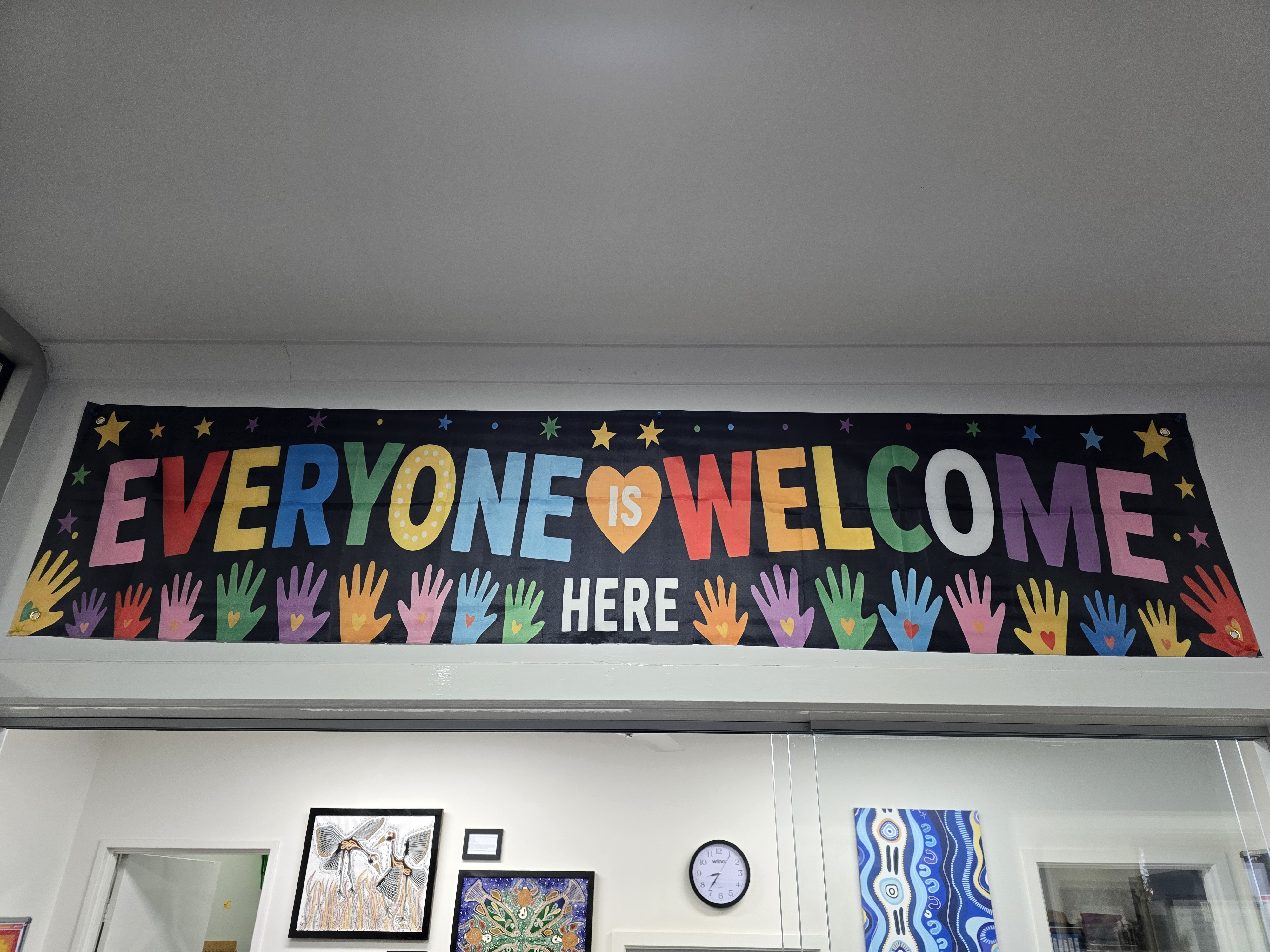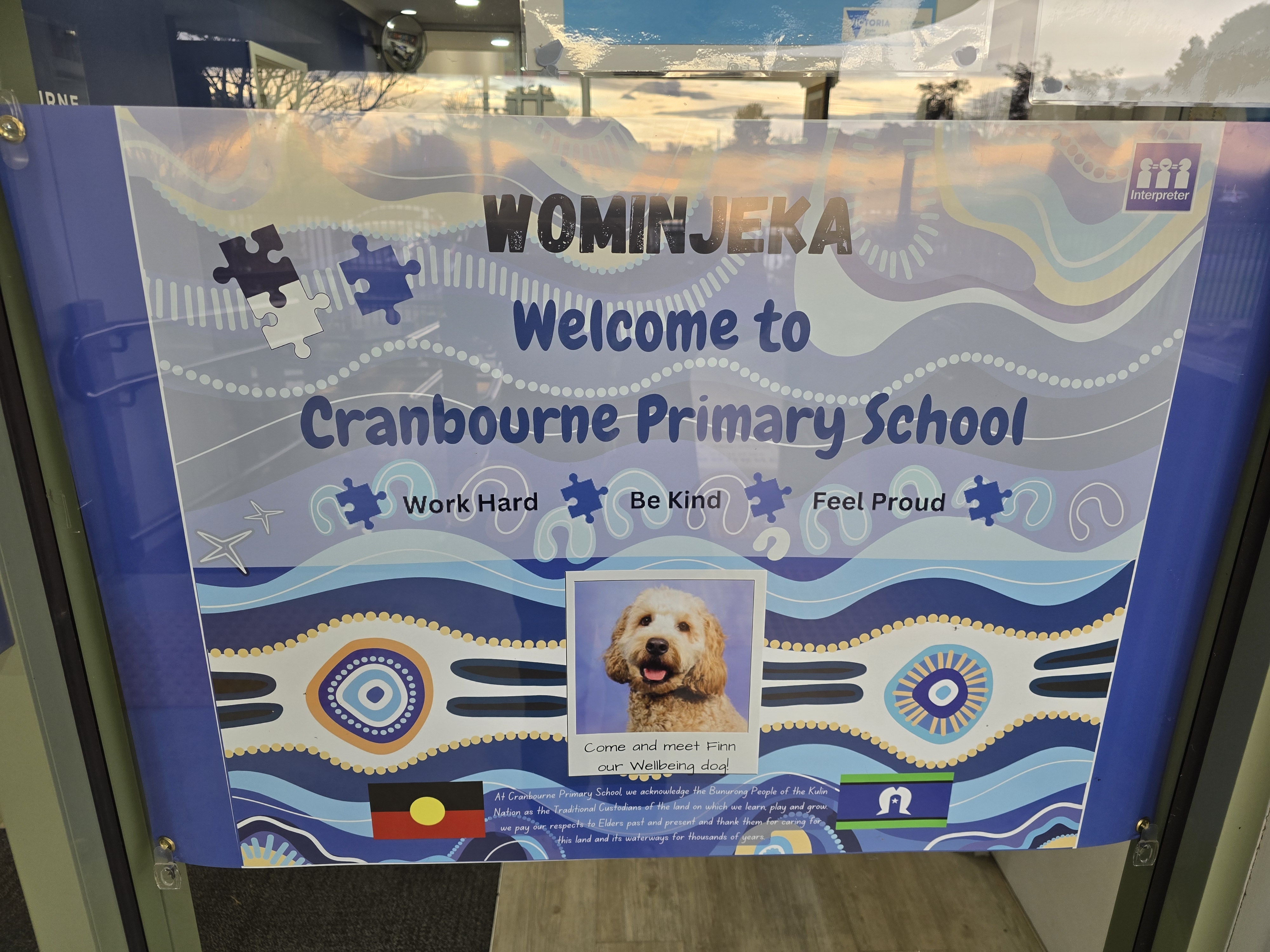
Cultural inclusion at CPS is not limited to particular days or celebrations; it is reflected in our curriculum, our teaching practices, the support we provide to families and the everyday life of our school.
Aboriginal and Torres Strait Islander Perspectives
We are an active member of the Marrung Community of Practice, with staff representatives participating in r.jpg) egular professional learning and collaboration. Through this work, we continue to build staff knowledge and capacity to authentically embed Aboriginal and Torres Strait Islander histories, cultures and perspectives within teaching and learning, while strengthening connections to Country and Culture for our First Nations students and staff.
egular professional learning and collaboration. Through this work, we continue to build staff knowledge and capacity to authentically embed Aboriginal and Torres Strait Islander histories, cultures and perspectives within teaching and learning, while strengthening connections to Country and Culture for our First Nations students and staff.
Our Aboriginal and Torres Strait Islander students also have opportunities to connect with Country, Culture and one another through initiatives such as the Marrung Mob Kids Celebration Day. We work closely with our Koorie Engagement Support Officer (KESO) to support our students, families and educational programs.
First Nations perspectives are deliberately embedded within our knowledge-rich curriculum. From Grades 1–6, every year level undertakes dedicated learning incorporating Aboriginal and Torres Strait Islander histories, cultures, literature, science and perspectives:
- Grade 1: Ancient Victoria
- Grade 2: Back on Country text study
- Grade 3: Cultures in Our Community
- Grade 4: First Contacts
- Grade 5: Civics – Australia as a Nation
- Grade 6: Environment and Sustainability, including our partnership with the Royal Botanic Gardens Cranbourne through the Raising Rarity Project
Acknowledgement of Country is also an important part of school life. It is shared at assemblies, meetings and significant events, with students regularly leading our school Acknowledgement. Classes also develop their own Acknowledgements of Country, providing all students with opportunities to learn about and demonstrate respect for Country and First Nations peoples.
Celebrating Our Diverse Community
Our cultural diversity is one of the strengths of Cranbourne Primary School. Throughout the year, students learn about and celebrate the cultures represented within our community through curriculum learning, Harmony Day, NAIDOC Week, cultural activities, food sharing, student-led activities and other school events.
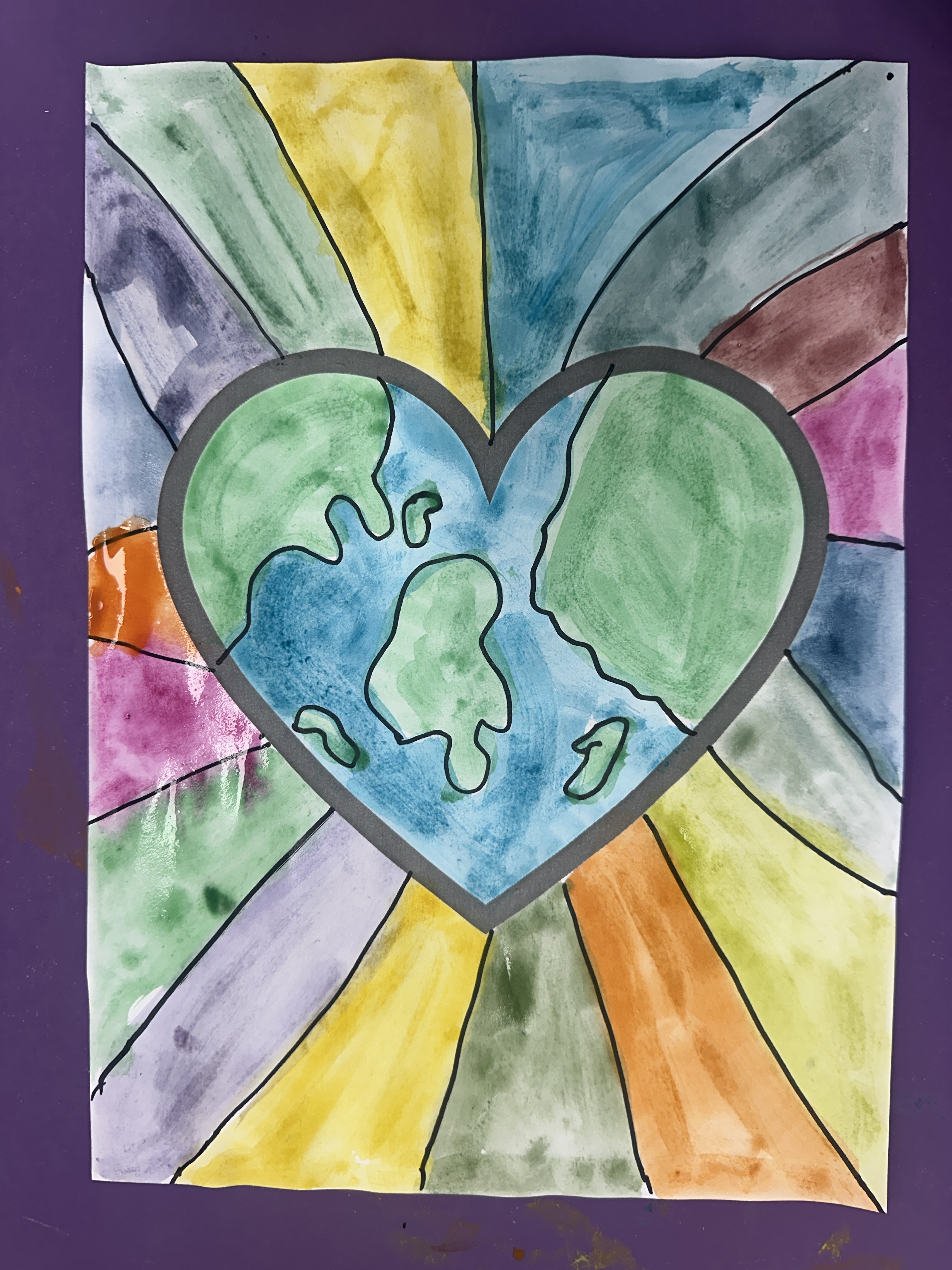
Meaningful inclusion also means recognising and respecting the cultural and religious practices of our students and families. We work with families to make appropriate adjustments where needed, including during significant cultural and religious observances such as Ramadan.
Students have opportunities to share their cultures, experiences and perspectives through classroom learning, EAL programs, our Student Representative Council, assemblies and whole-school activities.
Supporting Students and Families
We understand that navigating a new school and education system can sometimes be challenging, particularly for families who are new to Australia or who speak a language other than English at home.
We provide English as an Additional Language (EAL) support for students and arrange interpreters for Parent Teacher Interviews, Student Support Group meetings and other important conversations as required. Key school information is also available in commonly spoken community languages, including Dari, Sinhalese and Punjabi.
Our Community Hub provides another important connection between school, families and the wider community. Through English language learning, playgroups, parent programs, cultural activities, connections with community services and opportunities for families to meet and learn together, the Hub strengthens relationships between families, the school and our broader community.
At Cranbourne Primary School, cultural inclusion is part of how we teach, communicate and build community. We want every student to participate fully in school life while knowing that their culture, language, family and identity are respected and valued.